10 Common Questions About Exosome Microneedling, Answered by a Dermatology Clinic
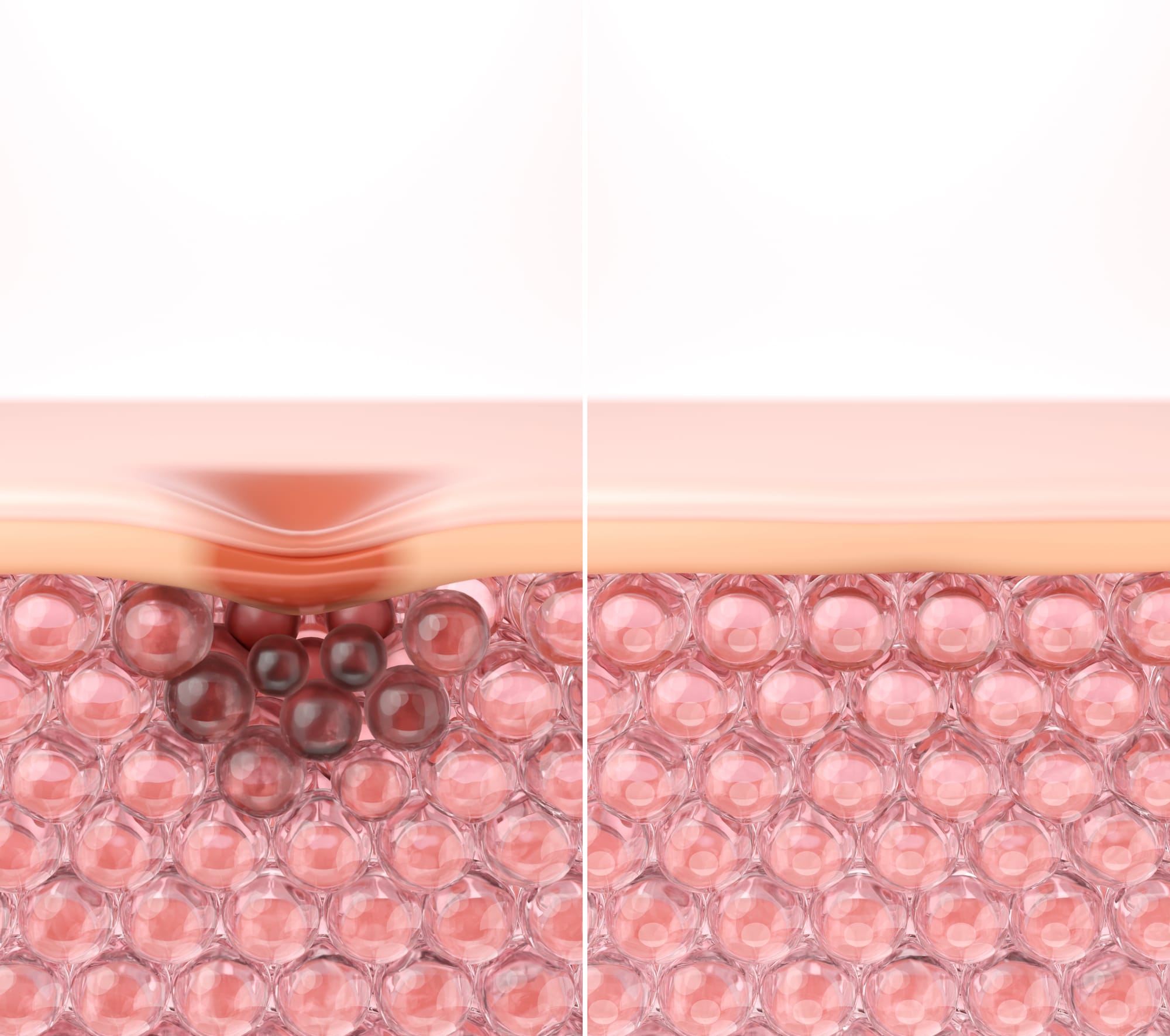
At Dr Omar Al Khalili Clinic, we specialize in advanced dermatology, aesthetics, and wellness treatments designed to enhance your natural beauty. One of the most requested regenerative options is exosome microneedling. Below are 10 common questions we hear in clinic, with clear, practical answers to help you decide if it is right for your skin goals.
- 1) What is exosome microneedling, and how does it work? Microneedling uses very fine, medical grade needles to create controlled microchannels in the skin, which triggers a natural repair response. Exosomes are tiny signaling particles that can support skin recovery by delivering growth related messages. When applied after microneedling, exosomes can penetrate more effectively through the microchannels, helping improve the look of texture, tone, and overall skin quality over time.
- 2) What skin concerns can it help improve? Patients most often choose exosome microneedling to target dullness, uneven texture, enlarged looking pores, early fine lines, and mild acne scarring. Many also notice a healthier looking glow and improved skin resilience. Results depend on your baseline skin condition, your home routine, and how consistently you complete the recommended series. It is not a replacement for surgical procedures when significant laxity is the primary concern.
- 3) Is it the same as PRP microneedling? No. PRP uses your own blood to create platelet rich plasma, which is then applied or injected to support healing. Exosomes are prepared products with different signaling components. Some patients prefer PRP because it is autologous, meaning from your own body. Others prefer exosomes due to convenience and consistency. A dermatologist can recommend the best option based on your skin type, goals, and medical history.
- 4) Are exosomes the same as stem cells? Not exactly. Stem cells are living cells that can develop into different cell types. Exosomes are not living cells, they are messaging particles released by cells. In aesthetic dermatology, reputable exosome products should be manufactured and handled according to strict quality standards. In your consultation, ask about sourcing, processing, storage, and whether the clinic uses medical grade protocols for application and aftercare.
- 5) Does the treatment hurt? Most patients describe it as tolerable. We typically apply a topical numbing cream before microneedling. You may still feel a scratchy or vibrating sensation, especially on the forehead and around the mouth where skin can be more sensitive. After treatment, the skin can feel warm or tight, similar to mild sun exposure. Discomfort usually settles within several hours.
- 6) What is the downtime, and what will my skin look like after? Expect redness on the day of treatment, often similar to a moderate flush. Mild swelling can happen, especially around the eyes. Some patients experience light dryness or a sandpaper feel for a few days. Many return to normal social activities within 24 to 48 hours, but healing varies. We generally recommend avoiding makeup for at least 24 hours, plus avoiding heat, intense exercise, and swimming for a short period as advised by your clinician.
- 7) How many sessions do I need, and when will I see results? Many patients benefit from a series of 3 to 6 sessions spaced about 4 weeks apart, depending on scarring, texture, and goals. Some notice a glow within 1 to 2 weeks as the skin recovers. More meaningful improvements in fine lines, pores, and scarring usually build gradually over 2 to 3 months as collagen remodeling progresses. Maintenance sessions every few months may help sustain results.
- 8) Is exosome microneedling safe for all skin types? When performed correctly, microneedling is often suitable for a wide range of skin tones. However, treatment depth and settings must be personalized to reduce the risk of post inflammatory hyperpigmentation, especially for deeper skin tones or those prone to dark marks. Active acne, infections, or irritated skin may require postponing treatment. A dermatologist led plan is important for safety, especially if you have melasma, a history of keloids, or are using prescription retinoids.
- 9) What are the risks and side effects? Common short term effects include redness, dryness, pinpoint bleeding during the procedure, and temporary sensitivity. Less common risks include infection, prolonged irritation, flare ups of cold sores, and pigment changes. These risks are reduced when sterile technique, proper device settings, and appropriate aftercare are used. Always inform your clinic if you are pregnant, immunocompromised, on blood thinners, or have a history of poor wound healing.
- 10) How do I prepare, and what aftercare matters most? Preparation and aftercare strongly influence results. You may be asked to pause irritating products like strong acids or retinoids for several days before and after. On the day, arrive with clean skin and avoid heavy sun exposure. After treatment, use a gentle cleanser, a bland moisturizer, and broad spectrum sunscreen. Avoid picking at flaking skin. If you are planning other treatments, such as laser, injectables, or mole removal, ask your dermatologist to sequence procedures safely.
If you are considering exosome microneedling, a consultation is the best next step. At Dr Omar Al Khalili Clinic, we assess your skin in detail, discuss realistic outcomes, and design a plan that fits your goals, skin type, and schedule.